


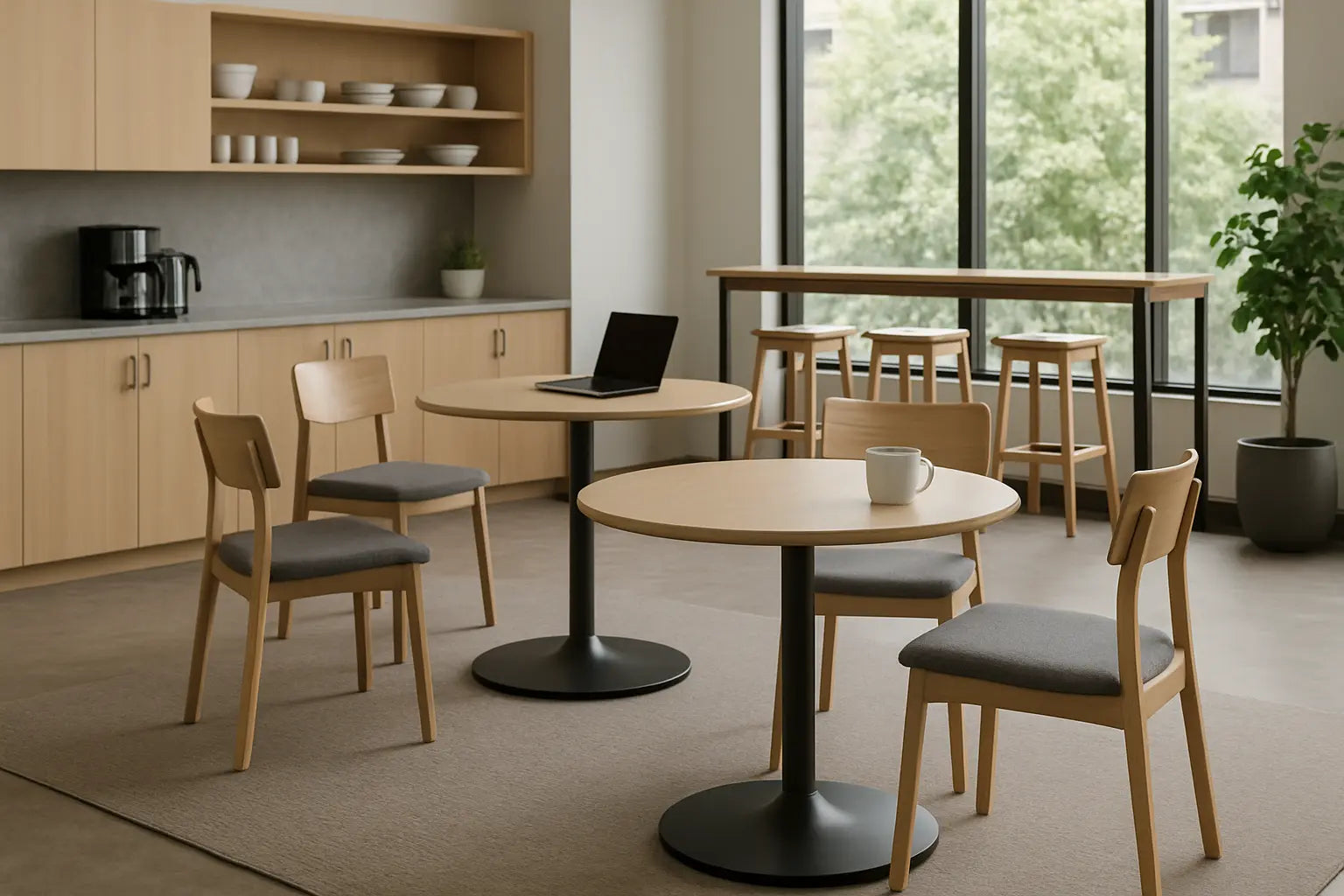
The Evolution of Commercial Spaces: From Basic Break Areas to Dynamic Business Environments
The metamorphosis of commercial spaces reflects broader shifts in workplace culture and business strategy. Traditional break rooms, once relegated to utilitarian corners with mismatched seating and basic amenities, have undergone a remarkable transformation. Modern establishments recognize that these spaces serve as catalysts for collaboration, relationship-building, and brand representation.
Contemporary commercial café environments function as multifaceted ecosystems where employees decompress, clients convene, and creative ideation flourishes. The furniture selections within these spaces communicate organizational values while facilitating diverse operational requirements. From intimate corner nooks designed for confidential discussions to expansive communal tables encouraging team brainstorming, each element contributes to the overall atmospheric composition.
Australian businesses increasingly acknowledge that strategic furniture placement and selection directly correlate with productivity metrics, employee satisfaction indices, and client retention rates. The transition from purely functional break areas to sophisticated business hubs demands careful consideration of ergonomic principles, aesthetic coherence, and operational flexibility.
Understanding Commercial Café Furniture Requirements in the Australian Market
The Australian commercial furniture landscape presents unique challenges and opportunities shaped by diverse climatic conditions, regulatory frameworks, and cultural preferences. Businesses spanning from boutique startups to multinational corporations require furnishing solutions that withstand rigorous daily usage while maintaining visual appeal and functional integrity.
Durability Standards and Environmental Considerations
Australian commercial environments demand furniture constructed from materials capable of enduring temperature fluctuations, humidity variations, and intensive utilization patterns. High-traffic areas necessitate surfaces resistant to scratching, staining, and structural degradation. Premium commercial café furniture incorporates reinforced joinery techniques, commercial-grade upholstery, and corrosion-resistant hardware components.
Environmental consciousness increasingly influences procurement decisions. Sustainable timber sourcing, recyclable materials, and low-emission finishes align with corporate social responsibility initiatives while contributing to healthier indoor air quality standards.
Compliance and Safety Regulations
Australian commercial furniture must adhere to stringent safety standards outlined in relevant codes and regulations. Fire retardancy requirements, structural load specifications, and accessibility guidelines shape design parameters and material selections. Compliance documentation becomes essential for insurance coverage, occupational health protocols, and building certification processes.
"The right furniture selection transforms utilitarian spaces into environments that inspire creativity, foster collaboration, and reflect organizational excellence."
Essential Furniture Categories for Modern Commercial Café Spaces
Curating comprehensive commercial café environments requires strategic selection across multiple furniture categories. Each component contributes to the overall functional ecosystem while addressing specific operational requirements and aesthetic objectives.
Seating Solutions: Balancing Comfort and Durability
Contemporary commercial seating encompasses diverse configurations designed to accommodate varying usage patterns and spatial constraints. Modular lounge systems offer reconfiguration flexibility, enabling space optimization during different operational phases. Task chairs with commercial-grade mechanisms support extended usage periods while maintaining ergonomic support standards.
Banquette seating maximizes capacity within constrained footprints while creating defined zones for different activities. Bar-height stools facilitate casual interactions and quick meetings, complementing traditional dining configurations. Upholstery selections must balance aesthetic appeal with maintenance requirements, considering stain resistance, cleaning protocols, and replacement logistics.
McLernons offers an extensive collection of commercial café furniture specifically designed to address the evolving needs of Australian businesses. This comprehensive range encompasses everything from versatile seating options to functional tables and storage solutions, all engineered to withstand the demands of high-traffic commercial environments while maintaining aesthetic sophistication.
The collection addresses common challenges faced by businesses transitioning from basic break areas to professional café-style spaces. Whether seeking to create intimate meeting zones, collaborative work areas, or client hospitality spaces, the curated selection provides scalable solutions that grow with organizational requirements.
Table Systems: Versatility and Functionality
Commercial table selections require careful consideration of size, shape, and surface materials to accommodate diverse operational scenarios. Rectangular configurations optimize seating capacity while facilitating formal presentations and group discussions. Circular tables encourage inclusive conversations and democratic participation dynamics.
Height variations serve different functional purposes. Standard dining height supports traditional meal service and extended work sessions. Counter height creates visual separation while encouraging more dynamic, shorter-duration interactions. Cocktail tables facilitate networking events and casual standing meetings.
Surface materials significantly impact maintenance requirements and longevity. Laminate tops offer excellent durability and easy cleaning protocols. Timber veneers provide warmth and sophistication but require more careful maintenance procedures. Metal surfaces deliver industrial aesthetics with exceptional durability characteristics.
Storage and Display Solutions
Effective storage integration maintains clean sightlines while providing essential functionality. Built-in cabinetry maximizes space efficiency while creating seamless visual continuity. Mobile storage units offer flexibility for changing operational requirements and periodic reconfiguration needs.
Display elements serve dual purposes: showcasing products, awards, or company achievements while contributing to brand storytelling initiatives. Integrated shelving systems can highlight company culture through curated object arrangements or provide practical storage for daily operational items.
Design Principles for Effective Commercial Café Layouts
Strategic space planning transforms commercial café areas into efficient, attractive environments that support diverse operational requirements. Effective layout design considers traffic flow patterns, acoustic management, lighting integration, and zoning strategies that facilitate multiple simultaneous activities.
Traffic Flow and Circulation Patterns
Intuitive navigation pathways prevent congestion while ensuring accessibility compliance standards. Primary circulation routes should accommodate wheelchair access, service trolleys, and emergency egress requirements. Secondary pathways connect different functional zones without disrupting primary activities or creating bottlenecks during peak usage periods.
Entrance positioning influences initial impressions and subsequent behavioral patterns. Strategic placement of reception areas, information displays, and comfortable seating creates welcoming environments that encourage extended visits and positive associations with the brand experience.
Zoning Strategies for Multiple Functions
Effective commercial café spaces incorporate distinct zones that support different activities while maintaining visual and operational coherence. Quiet zones accommodate focused work, confidential discussions, and individual relaxation. Collaborative areas feature flexible furniture arrangements that adapt to varying group sizes and meeting formats.
Social zones encourage informal interactions, networking opportunities, and team building activities. Service zones integrate food preparation, storage, and cleaning facilities without disrupting customer-facing areas or creating operational inefficiencies.
| Zone Type | Primary Function | Key Furniture Requirements | Acoustic Considerations |
|---|---|---|---|
| Quiet Focus | Individual work, reading, calls | Comfortable armchairs, side tables, task lighting | Sound absorption materials, separation from high-traffic areas |
| Collaboration | Team meetings, brainstorming, presentations | Flexible tables, mobile seating, display surfaces | Moderate privacy, good acoustics for group discussion |
| Social | Networking, informal meetings, relaxation | Lounge seating, coffee tables, bar-height options | Ambient sound tolerance, lively atmosphere |
| Service | Food preparation, storage, cleaning | Commercial work surfaces, storage solutions, utility access | Sound isolation from customer areas |
Material Selection and Durability Considerations
Commercial café furniture material selection significantly impacts long-term operational costs, maintenance requirements, and aesthetic longevity. Understanding the performance characteristics of different materials enables informed procurement decisions that balance initial investment with lifecycle value propositions.
Surface Materials and Maintenance Requirements
High-pressure laminate surfaces provide exceptional durability and stain resistance, making them ideal for high-traffic commercial applications. These materials withstand frequent cleaning protocols, resist scratching from daily use, and maintain color stability under various lighting conditions. Modern laminate technology offers sophisticated wood grain and stone textures that rival natural materials while delivering superior performance characteristics.
Solid timber surfaces contribute warmth and character to commercial spaces but require more intensive maintenance protocols. Regular conditioning, periodic refinishing, and careful cleaning procedures preserve appearance and structural integrity. Species selection influences durability, with hardwoods like jarrah and blackbutt offering excellent performance in Australian commercial environments.
Upholstery and Textile Considerations
Commercial-grade upholstery fabrics must meet stringent performance standards for abrasion resistance, color fastness, and flame retardancy. Solution-dyed fibers offer superior color stability and stain resistance compared to traditional dyeing processes. Crypton and similar performance fabrics incorporate liquid barriers while maintaining breathability and tactile comfort.
Leather upholstery provides luxury aesthetics and develops attractive patina over time. Top-grain leather offers the best combination of durability and appearance, while corrected-grain alternatives provide more uniform appearance at lower cost points. Proper conditioning and cleaning protocols extend leather lifespan significantly.
Budget Planning and Investment Strategies
Strategic budget allocation for commercial café furniture requires comprehensive analysis of immediate needs, future expansion plans, and lifecycle cost considerations. Effective procurement strategies balance initial expenditure with long-term value delivery while ensuring operational continuity during implementation phases.
Cost-Effective Procurement Approaches
Phased implementation strategies allow businesses to spread capital expenditure while testing furniture performance in real-world conditions. Priority should focus on high-impact pieces that deliver maximum visual and functional benefit. Secondary additions can follow once initial installations prove successful and user feedback informs refinement decisions.
Bulk purchasing arrangements often yield significant cost savings while ensuring consistency across multiple locations or phases. Volume discounts, extended warranty terms, and priority service arrangements add value beyond simple unit cost reductions. Standardization also simplifies maintenance, replacement, and expansion procedures.
Secondhand and Refurbished Options
Quality pre-owned commercial furniture offers substantial cost savings while supporting sustainability objectives. Reputable suppliers provide thorough inspection, refurbishment, and warranty coverage that ensures performance standards comparable to new alternatives. This approach enables access to premium brands and specifications that might otherwise exceed budget constraints.
Refurbishment services can transform existing furniture assets, extending useful life while updating aesthetics to align with evolving brand requirements. Professional reupholstering, refinishing, and component replacement often cost significantly less than complete replacement while delivering refreshed appearance and functionality.
Implementation and Installation Considerations
Successful commercial café furniture implementation requires careful coordination of delivery schedules, installation procedures, and operational transitions. Minimizing business disruption while ensuring proper setup creates positive outcomes for all stakeholders involved in the transformation process.
Project Timeline and Logistics
Comprehensive project planning accounts for lead times, delivery coordination, and installation sequencing that minimizes operational disruption. Furniture delivery should align with space preparation completion while allowing adequate time for proper installation and testing procedures.
Australian supply chain considerations include interstate transport logistics, seasonal weather impacts, and regional delivery capabilities. Local dispatch centers significantly reduce delivery timeframes while providing responsive support for urgent requirements or project modifications.
Coordination with other trades ensures utilities, flooring, and lighting installations complement furniture placement. Advanced planning prevents conflicts that could delay project completion or compromise final results. Professional fitout services streamline this coordination while ensuring compliance with relevant codes and standards.
Maintenance and Longevity Strategies
Proactive maintenance programs preserve furniture appearance, extend operational life, and protect investment value over extended periods. Understanding proper care procedures for different materials and components enables cost-effective preservation while maintaining professional presentation standards.
Daily Care and Cleaning Protocols
Routine cleaning procedures should align with manufacturer recommendations while considering facility cleaning schedules and available resources. Daily maintenance typically involves surface cleaning, debris removal, and visual inspection for damage or wear indicators. Establishing clear protocols ensures consistent care across all furniture elements.
Appropriate cleaning products prevent material damage while maintaining hygiene standards essential for food service environments. pH-neutral cleaners work effectively on most surfaces without causing degradation. Specialized products for leather, fabric, or metal components ensure optimal care for different material types.
Periodic Maintenance and Professional Services
Scheduled professional maintenance addresses wear patterns, mechanical adjustments, and preventive treatments that extend furniture lifespan. Annual or bi-annual service visits can identify potential issues before they require expensive repairs or premature replacement.
- Mechanism lubrication and adjustment for seating and height-adjustable tables
- Professional deep cleaning for upholstered components
- Surface refinishing for timber and laminate tops
- Hardware tightening and replacement for high-wear components
- Structural inspection for safety and stability verification
Documentation of maintenance activities creates valuable records for warranty claims, insurance purposes, and replacement planning. Regular photography can track condition changes over time while identifying areas requiring enhanced care or earlier replacement consideration.
The transformation from basic break rooms to sophisticated commercial café spaces represents a strategic investment in organizational culture, employee satisfaction, and business capability. Quality commercial café furniture provides the foundation for environments that inspire productivity, facilitate collaboration, and reflect professional excellence. Through careful selection, strategic implementation, and proactive maintenance, these investments deliver sustained value that supports business objectives for years to come.