


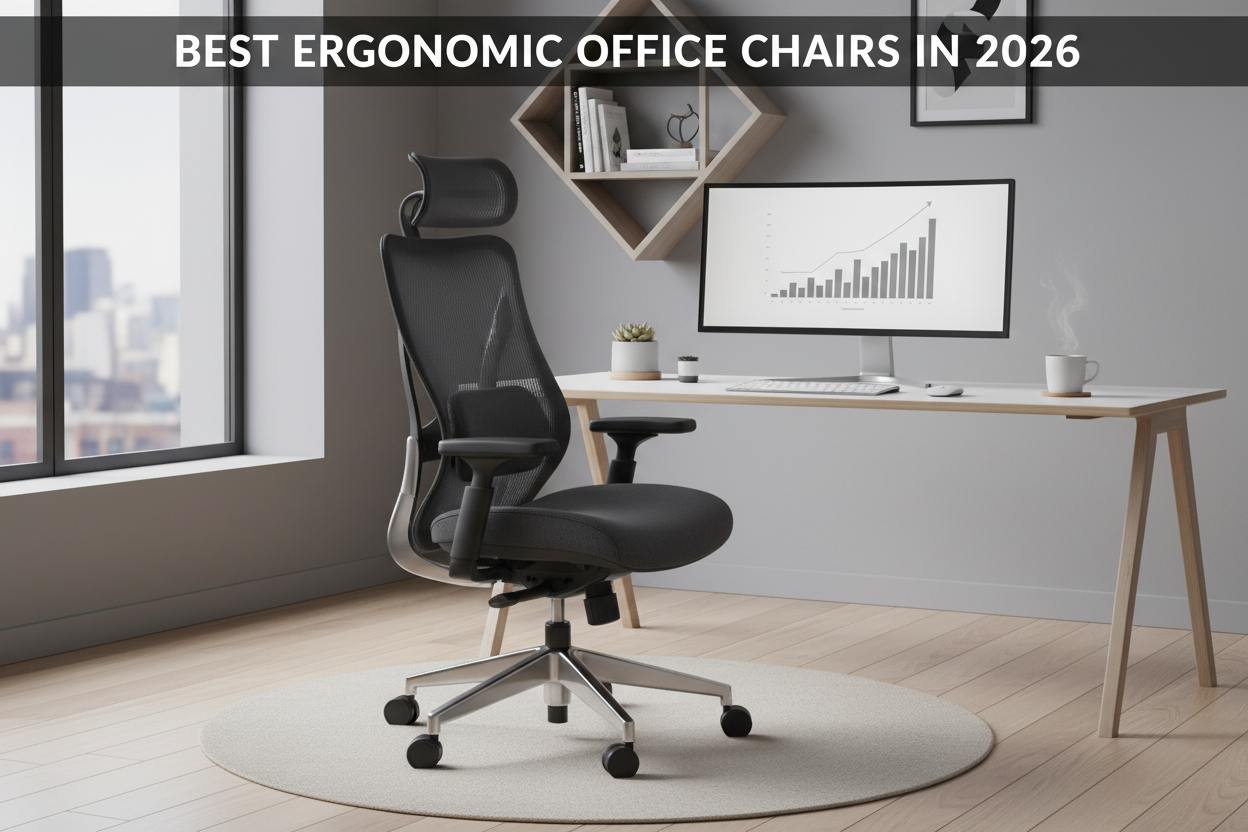
Spending long hours sitting at a desk is a common part of many Australians’ work lives, making the choice of office chair far more critical than mere aesthetics. Selecting the right ergonomic office chair impacts not just comfort but also health and productivity over time. Those seeking expert advice want detailed insights on features, benefits, and real-world usability to pick a chair that supports their body correctly and enhances wellbeing during extended sitting sessions.
Why Choosing the Best Ergonomic Office Chairs Matters
Ergonomics in seating is fundamental to maintaining health and productivity in office environments where sitting dominates the workday. Poorly designed chairs can lead to improper posture, which stresses muscles and spinal discs, increasing the risk of chronic back pain and discomfort. Beyond pain, inadequate seating restricts blood flow, especially to the legs, fostering circulation issues such as numbness or swelling. These problems often compound, resulting in fatigue and decreased focus, which undermines work quality.
The best ergonomic office chairs provide targeted back support, particularly lumbar support that matches the natural curve of the spine, encouraging healthy posture even during long periods of sitting. Adjustable features enable users to align seating to their body dimensions, relieving pressure points and promoting better blood circulation. Enhanced blood flow supports oxygen delivery to muscles and the brain, thereby reducing fatigue and sustaining concentration.
Investing in an ergonomic chair ushers in clear benefits beyond comfort: users enjoy reduced musculoskeletal strain, higher energy levels throughout the day, and improved focus on tasks. These advantages also contribute to long-term wellbeing, preventing debilitating conditions linked to sedentary work, making the choice of the best ergonomic office chair a pivotal aspect of workplace health.
Key Features to Look for in the Best Ergonomic Office Chairs
Adjustable seat height stands as the foundation of any quality ergonomic office chair. Proper seat height ensures the thighs rest parallel to the floor with feet flat on the ground, which is vital for optimal leg positioning and circulation. Being able to customize this adjustment accommodates a broad range of users and prevents pressure on the knees or feet hanging improperly.
Back support is another cornerstone, often provided through a combination of ergonomic design elements. Look for chairs offering robust lumbar support that can be adjusted vertically and in depth to suit individual spinal curves. Backrest shapes that follow the natural contours of the spine and adjustable angles improve posture and reduce strain. Some designs feature segmented or dynamic backrests that actively support movement.
Adjustable armrests are crucial for reducing shoulder and neck strain. The best ergonomic office chairs allow modifications in height, width, and pivot angle to position the arms comfortably close to the body without causing tension. Proper armrest adjustment also prevents shoulder elevation or hanging, which can translate into discomfort during typing or mouse use.
The comfort of the seat itself cannot be overlooked. Optimal seat padding balances softness with firm support to prevent muscle fatigue while avoiding bottoming out. Quality materials like memory foam or gel-infused cushions enhance comfort. Crucially, adjustable seat depth allows users to position the seat so that a small gap remains behind the knees, aiding circulation and encouraging upright posture.
Dynamic sitting features like tilt, recline, and forward tilt enable movement variability during sitting, which fosters better spine health. An ergonomic chair should encourage natural shifts in position to avoid static postures. Chairs equipped with synchronised tilt mechanisms or multi-angled recline settings provide this flexibility.
Finally, the frame and base flexibility plays a supporting role. Chairs that subtly flex and respond to movement promote active sitting and reduce rigidity, further aiding blood flow and relieving pressure points. The best ergonomic office chairs combine sturdy construction with fluid motion components to sustain both durability and comfort.
How to Choose the Right Ergonomic Office Chair for Your Body Type and Work Style
Identifying the ideal ergonomic office chair begins with assessing individual body dimensions — height, weight, and shape all influence suitable chair features. Taller users benefit from chairs with extended backrests and greater seat depth adjustments, while petite users require more compact designs and lower seat heights. Heavier individuals should prioritize chairs with reinforced frames and wider seats to ensure both comfort and durability.
Work style also deeply affects chair choice. Users performing intensive typing and focused desk work will value peak adjustability, firm seat cushioning, and armrests that support elbow positioning. Conversely, those alternating between typing, attending meetings, or relaxing with a reclined posture need chairs with versatile tilt and recline options. Flexibility in movement supports productivity and comfort for diverse tasks.
Testing chairs in person remains the gold standard before purchase. Engage in activities mimicking typical work, such as typing or reaching for materials, while evaluating comfort zones, back support, and armrest positioning. Key signs include absence of pressure behind knees, effective lumbar fit, and unrestricted blood flow without numbness or tingling.
Evaluating office space dimensions is essential to ensure the chair fits well without restricting movement or crowding. A cramped setup can limit chair recline or adjustment use, negating ergonomic benefits. Measure desk height and floor area to match with chair size and mobility features such as caster quality and swivel range.
Top 20 Best Ergonomic Office Chairs Reviewed for 2026
1. ErgoTune Joobie – Best Overall Value Ergonomic Chair
The ErgoTune Joobie offers a compelling balance between price and customization, making it a top pick for both office workers and home setup users in Australia. At a mid-range price, its build quality rivals premium competitors, featuring a durable frame and breathable mesh designed to handle warmer climates efficiently. It boasts an impressive 15 adjustment points, including gym-grade lumbar support that adapts precisely to individual spinal curves. Multi-dimensional armrests allow height, width, and pivot modifications, reducing shoulder strain during extended typing sessions.
The seat cushion blends high-density foam with ventilated mesh padding, providing firm yet comfortable support that balances pressure relief with posture encouragement. Adjustable seat depth and tilt mechanisms support dynamic sitting and promote healthy blood flow, essential for reducing fatigue in long workdays. The frame’s subtle flex encourages micro-movements, fostering active sitting without sacrificing stability.
Pros include extensive adjustability options, suitability for various body types, and excellent breathability. Cons involve a somewhat complex initial assembly and premium pricing relative to basic models. Ideal users are those seeking long-term health benefits and adaptable comfort at a reasonable investment.
2. UpDown Ergo Pro Flex – Best Budget Task Chair
For budget-conscious buyers who still need solid ergonomic support, the UpDown Ergo Pro Flex delivers impressive adjustability at an accessible price point. It offers adjustable armrests and a supportive backrest designed for users spending extensive hours upright at desks. Lumbar support is firm but less customizable in depth, and the backrest material compromises slightly on breathability compared to higher-end mesh options.
The seat features moderate padding that strikes a practical balance between comfort and affordability. Its tilt function encourages active sitting but lacks the synchronised recline seen in premium models. Though less versatile, it covers the essentials for users requiring ergonomic features without premium costs.
Pros include value for multi-hour use, basic ergonomic adjustments, and sturdy construction for the price. Cons are limited lumbar adjustment and less breathable materials. Best suited for users with standard task demands and tighter budgets.
3. Sihoo M57 – Best Budget All-round Ergonomic Chair
The Sihoo M57 impresses with its full suite of adjustable features uncommon in lower-priced chairs. Metal frame construction adds durability without driving up costs. Users can expect height, armrest (4D), lumbar, and backrest adjustments to tailor seating precisely. The lumbar support is capable of vertical and depth adjustment, a rarity at this price level.
Seat padding uses moderate foam density, providing respectable comfort for extended sitting. Assembly is straightforward, making it suitable for those wanting ergonomic benefits quickly without professional help. The breathable mesh back helps with airflow, supporting users through Australian summers.
This chair suits those on smaller budgets who refuse to sacrifice ergonomic quality, blending adjustability and construct quality in an affordable package. Drawbacks are slightly minimalistic aesthetics and less advanced recline mechanisms.
4. Secretlab Titan Evo Nanogen – Best for Younger Users and Recline Enthusiasts
The Secretlab Titan Evo Nanogen caters particularly to younger users and fans of gaming-style chairs with a strong emphasis on recline functionality. Its price point sits at premium-tier levels but delivers extensive customization, including integrated multi-tilt and adjustable lumbar support with innovative Nanogen memory foam cushioning. This foam conforms excellently to body shape, enhancing pressure relief.
Armrests adjust in 4D offering excellent support for dynamic arm positioning. The chair supports up to 130-degree recline, ideal for those who prefer leaning back during breaks or multitasking. Mesh and synthetic leather options provide breathable or plush finishes, though the latter suits cooler climates better.
Pros include extensive recline range, innovative cushioning technology, and stylish design geared toward youth. Cons cover higher price and less traditional office appearance. Best for users valuing recline and ergonomic innovation.
5. Haworth Fern – Most Comfortable Premium Ergonomic Chair Under $2,000
The Haworth Fern stands out as a luxurious option combining plush comfort with cutting-edge ergonomics, priced attractively under $2,000 AUD. Its active weight-sensitive lumbar support moves responsively with the user’s posture, providing dynamic spinal alignment. The chair’s hallmark is its exceptional backrest design, mimicking natural spinal movement and enhancing blood flow through subtle flex.
Armrests and seat depth adjust widely, with thick seat padding that doesn’t sacrifice firmness. Breathable mesh covers the frame, suited to Australian climates where heat build-up is a concern. Tilt and forward tilt functionality encourage natural movement throughout the workday.
Ideal users are executives and home office workers who want premium ergonomic comfort at a sensible price. The main drawback can be the chair’s larger footprint, requiring adequate office space.
6. Steelcase Leap V2 – Highly Adjustable and Durable Executive Chair
Known for its outstanding durability and broad adjustability, the Steelcase Leap V2 remains a favourite among executive users preferring a traditional high-performance ergonomic office chair. Its patented LiveBack technology ensures the backrest conforms dynamically to spinal shape changes, supporting movement without compromising lumbar support. The seat’s height, depth, and padding firmness are fully adjustable.
Armrests feature 4D movement, catering to varied desk work postures. The chair permits forward tilt for active work positions and a smooth recline for relaxation. Steelcase’s robust build uses premium materials designed for heavy daily use, backed by long warranty coverage.
Pros: outstanding support adaptability, premium material quality, excellent longevity. Cons: premium pricing and somewhat bulky design. Perfect for those committing to long-term ergonomic investment.
7. Herman Miller Aeron – Iconic Ergonomic Chair with Unmatched Adjustability
The Herman Miller Aeron has become synonymous with ergonomic excellence, boasting a distinctive design and exceptional adjustability. Its patented Pellicle mesh seat and back enhance ventilation and evenly distribute pressure. The Aeron’s adjustable PostureFit SL lumbar support mimics the natural S-curve of the spine, promoting upright posture and reducing fatigue.
Armrests can be adjusted in height, pivot, and width, complementing a wide range of working positions. Multiple recline tensions and seat angling encourage movement during sitting, further supporting blood flow. Its solid base and premium components ensure durability for intensive daily use.
Though investment-heavy, the Aeron is ideal for users seeking legendary ergonomic comfort and design innovation, with the trade-off of a characteristic aesthetic that may not fit every office style.
8. Steelcase Series 2 – Best for Heavy Tasking with Pricing Balance
Steelcase Series 2 provides a cost-effective ergonomic option tailored for users who spend many hours focused on desk work. The chair incorporates crucial adjustments including seat height, depth, and firm lumbar support, balancing comfort with affordability. Its flexible back promotes natural movement and supports prolonged sitting without stiffness.
Armrests adjust vertically and pivot, aiding shoulder comfort during typing tasks. The seat cushion features medium-firm padding that supports extended wear without fatigue. The Series 2’s frame is robust, targeted at high-use environments.
This chair fits users who need quality ergonomics on a budget and require durable seating for intensive daily use. The main limitation is less premium aesthetic finishing and fewer advanced adjustments.
9. Recess Ergo Pro 2.0 – Clean Design with Good Back Support
The Recess Ergo Pro 2.0 caters to those favouring simple, minimalistic design while maintaining essential ergonomic features. It offers solid adjustable lumbar support, height-adjustable seat, and multi-directional armrests. The seat’s padding balances comfort and support adequately but lacks some of the plushness found in higher-end models.
This chair suits modern office environments where aesthetics and function merge. The breathable mesh back and straightforward adjustment options make it ideal for users prioritising back support without complex mechanisms.
Positives include streamlined style and ease of use. Downsides are limited customization depth and moderate seat padding comfort.
10. ErgoTune Vesby – Best for Tall and Larger Users with Throne-Like Comfort
The ErgoTune Vesby targets tall and larger Australians, offering a spacious seat and extended backrest that supports body frames beyond standard sizing. The chair features a robust frame and dense seat padding that feels like a throne, providing generous support without sacrificing ergonomic principles. Lumbar support is powerful and fully adjustable according to user needs.
Armrests adjust in several dimensions to reduce shoulder tension. The seat depth and height extend beyond typical ranges, making this chair excellent for users who struggle with cramped traditional chairs. Breathable mesh and tilt functions improve blood flow and movement.
Its price positions it as a premium offering, justified by specialised dimensions and comprehensive adjustments. Ideal for users with larger frames who often face limited options.
11. Herman Miller Embody – High-End Flexible Chair with Clever Cushion Design
The Herman Miller Embody is a sophisticated, high-end ergonomic chair designed for users who seek advanced posture support combined with cutting-edge technology. Its pixelated back support is engineered to stimulate healthy blood flow and reduce pressure points, adapting dynamically to movements. The seat cushion uses a unique flexible design that evenly distributes weight.
Adjustments include height, seat depth, and flexible armrests that move naturally with the body. Its frame supports micro-movements, encouraging active sitting to prevent stiffness and fatigue. While pricing is significant, the Embody is a worthy purchase for those valuing innovation and long-term ergonomic health.
Pros: innovative design, excellent movement support. Cons: high cost and unfamiliar appearance.
12. Steelcase Karman – Stylish Mesh Chair Blending Comfort and Looks
The Steelcase Karman merges ergonomic function with striking aesthetics, featuring a sleek mesh back and thoughtfully padded seat. Its lumbar support system is subtle but effective, and the armrests offer variable height and pivot adjustments for varied postures. The chair emphasizes comfort through high-quality seat padding and an accessible tilt mechanism.
Designed for users who want an ergonomic chair that complements modern offices without sacrificing function, the Karman is also priced moderately for a premium-feeling product. It excels in environments where design presence alongside ergonomic merit is a priority.
Pros: modern design, solid ergonomic features. Cons: less extensive lumbar customization.
13. Herman Miller Cosm – Innovative Automatic Ergonomic Adjustments
The Herman Miller Cosm chair introduces automatic ergonomic adjustments using its patented ‘Auto-Harmonic’ tilt that intuitively supports the sitter’s weight and posture. It dispenses with manual tension controls, providing a responsive sitting experience that balances support and mobility effortlessly. The mesh suspension seat and back ensure superior breathability, ideal in warmer climates.
Armrests adjust vertically, enhancing shoulder comfort during prolonged typing. While innovative, the lack of advanced manual lumbar adjustments may deter users with specific support needs. Pricing reflects the cutting-edge design and technology embedded in the chair.
Best suited for users embracing futuristic ergonomics and those who prefer ‘set and forget’ adjustment ease. Cons: premium cost and less customizable lumbar support.
14. Steelcase Gesture – Flagship Chair Focused on Movable Arm Support
The Steelcase Gesture is designed around the concept of supporting modern work styles that involve frequent typing, smartphone use, and diverse postures. Its standout feature is highly flexible 4D armrests that move fluidly with the arms, accommodating varied working angles to minimise strain. The chair also provides adjustable lumbar support and a well-padded seat.
Its advanced tilt and recline mechanisms encourage micro-movements essential for circulation and posture health. The Gesture’s build quality is premium, suitable for executives or dedicated office users. Trade-offs include a higher price and larger footprint.
Ideal for users whose work demands continuous arm support adjustments alongside ergonomic seating.
15. Humanscale Freedom – Weight-Sensing Recline for Ease of Use
The Humanscale Freedom ergonomic chair features a weight-sensing recline mechanism that automatically adjusts tension based on user weight, reducing the need for manual controls. It effectively supports lumbar and back posture with a contoured backrest and offers adjustable armrests in height and width.
Its seat cushion uses firm padding aligned with ergonomic recommendations to maintain proper posture. This chair simplifies ergonomics for users preferring intuitive adjustment and comfort without complexity. Though not as customizable in all directions as other premium chairs, it balances ease and support well.
Pros: intuitive recline, comfortable lumbar support. Cons: limited adjustment range and dated aesthetic.
How to Maintain Your Ergonomic Office Chair for Long-Term Comfort
Maintaining ergonomic office chairs ensures durability and sustained comfort. Regularly clean mesh backs and seat cushions with a soft brush or vacuum to remove dust and debris that can degrade material performance. For fabric or leather padding, use suitable cleaners to prevent staining and maintain texture.
Check adjustment levers, screws, and bolts periodically, tightening loose parts to maintain stability and function. Lubricate moving components such as tilt mechanisms and casters with appropriate oils to ensure smooth operation. Worn casters should be replaced swiftly to avoid floor damage and impaired chair mobility.
Many high-quality ergonomic chairs come with warranties that cover parts and servicing; utilising these ensures long-term support from manufacturers. Some issues may also warrant professional servicing to address mechanical wear or frame integrity, preserving ergonomic benefits throughout the chair’s lifespan.
Common Mistakes to Avoid When Buying an Ergonomic Office Chair
One frequent mistake is ignoring proper measurements before purchase. Selecting a chair too large or small for the user’s body or office space leads to discomfort and restricted movement. Dimension matching is as vital as ergonomic feature consideration.
Overvaluing seat padding softness without ensuring ergonomic design often results in chairs that feel initially plush but fail to provide adequate support, leading to back pain. Ergonomic alignment takes precedence over cushion softness alone.
Purchasing cheaply made chairs that lack essential adjustments may seem economical initially but often causes longer-term health issues due to insufficient support. Invest in chairs offering at least basic adjustments like height, lumbar support, and armrest modifications.
Finally, neglecting trialing chairs or ignoring return policies limits insight into personalised comfort. Whenever possible, test chairs under daily working conditions or buy from retailers with flexible return options to avoid costly mismatches.
FAQs About Best Ergonomic Office Chairs
What makes an office chair truly ergonomic?
A truly ergonomic office chair incorporates multiple adjustability options allowing users to customise seat height, depth, backrest angle, lumbar support, and armrest positions. Its design supports natural spinal curvature, promotes healthy posture, and encourages movement, all while providing comfort for prolonged sitting.
How often should I adjust my chair while sitting?
Adjusting your chair regularly — roughly every 30 to 60 minutes — helps maintain blood flow and prevents stiffness. Taking micro-breaks to shift seating positions, alter backrest angles, or change armrest heights boosts circulation and reduces muscle fatigue.
Are expensive ergonomic chairs worth the investment?
Premium ergonomic chairs often justify their cost through superior build quality, extended warranties, and enhanced durability, ensuring long-term reliability. Their advanced support features can prevent health issues and increase productivity, offering cost benefits over time via reduced discomfort and absenteeism.
Can an ergonomic chair reduce back pain?
Yes, chairs with effective lumbar support and posture alignment capabilities help alleviate back pain by reducing strain on spinal discs and muscles. Proper ergonomic seating distributes pressure evenly and encourages natural spine posture, which mitigates chronic discomfort.
How to improve blood flow while sitting?
Improving blood flow involves using chairs with front seat edges designed to reduce pressure on thighs, adjustable seat depths, and encouragment of movement through tilt and recline functions. Additional aids such as footrests can enhance circulation, alongside periodic posture shifts encouraged by the chair’s flexibility.
Final Thoughts: Investing Wisely in the Best Ergonomic Office Chair
Selecting the right ergonomic office chair blends understanding personal body needs with workplace demands and available budget. Prioritising chairs with comprehensive adjustability in seat height, lumbar and back support, armrests, and seat comfort ensures compatibility with diverse body types and working styles. The long-term health and productivity gains from these features far outweigh aesthetic considerations or short-term cost savings.
When choosing, consider chair frame durability, breathable materials suited to Australia’s climate, and mechanisms that promote dynamic sitting. Trialling chairs whenever possible and aligning choices with office space constraints will enhance satisfaction and ergonomic success. Ultimately, investing consciously in the best ergonomic office chair is a proactive step towards sustaining wellbeing and optimising work performance.